After our dear fellow reviewer EmperorDinobot’s (Luis Perez) untimely passing back in late July, there’s been a gap left behind with reviews he planned to do when he was still with us, but unfortunately never got to finish, and now sadly he never will. Some of the regular reviewers here have already graciously stepped up and finished some of these...
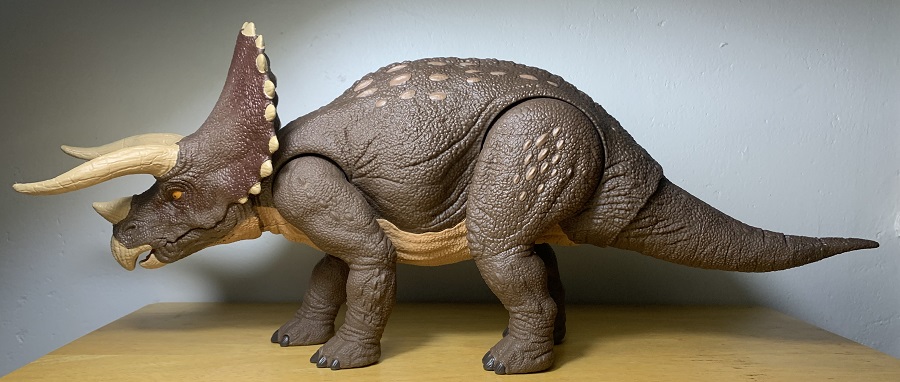
Ever since Mattel started making Jurassic World toys collectors have been vocal about wanting a large-scale Triceratops. Of course they would, Triceratops was the largest ceratopsian to ever exist and yet, Mattel’s various Triceratops toys were all woefully undersized. Dwarfed by virtually every other ceratopsian that Mattel released, even though those other genera were a fraction of the size of...
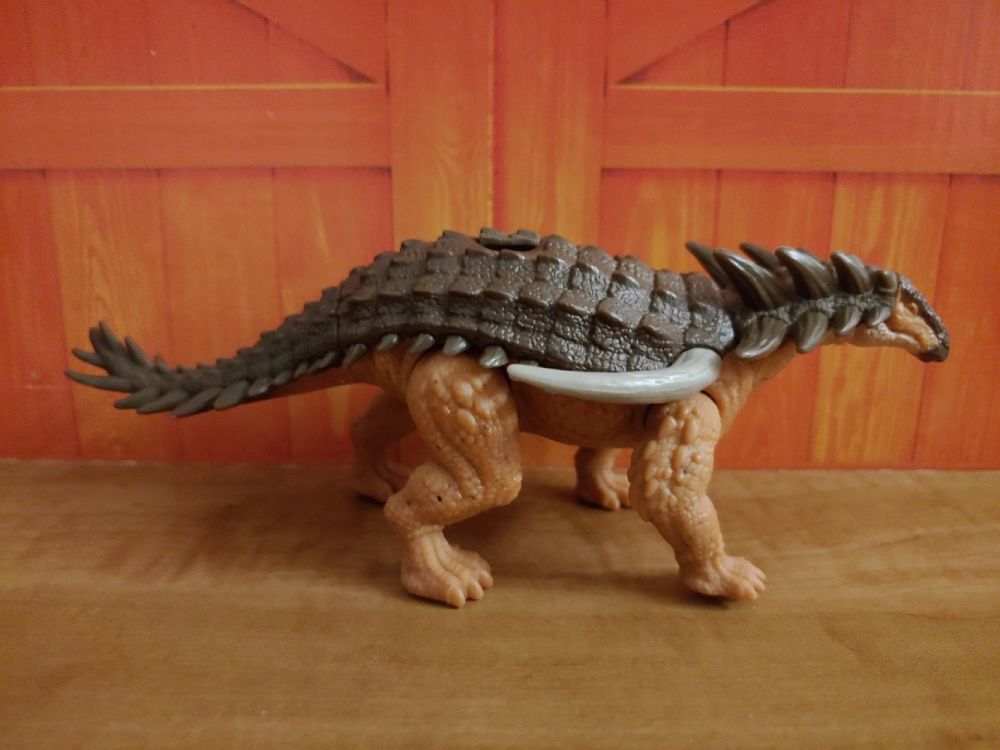
Back in 2017, one of the best preserved fossils discovered was making the rounds. It was named Borealopelta markmitchelli, “Mark Mitchell’s northern shield”, honoring the man who spent more than 7,000 hours carefully preparing the fossil material, and slowly carving it out from the rock it rested in. It was first discovered in March of 2011 in the oil sands...
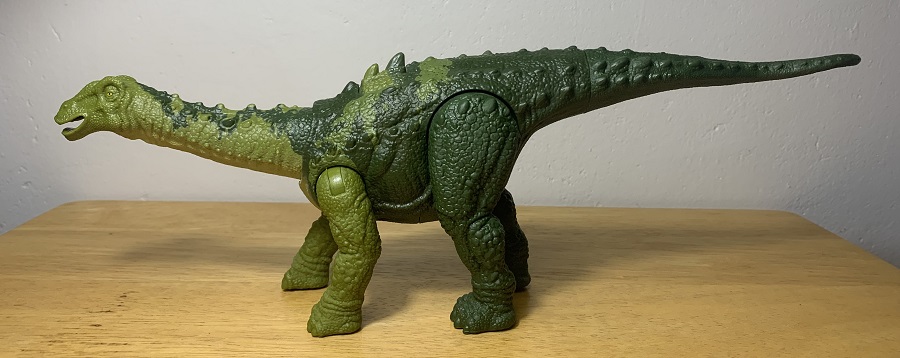
Nigersaurus is a genus of rebbachisaurid sauropod that was discovered in the Elrhaz Formation in Niger, Africa. It lived during the middle Cretaceous and is notable for its small size (by sauropod standards), short neck, and bizarrely shaped broad muzzle packed with over 500 teeth. The muzzle would have been wider than the skull with the teeth laterally placed across...
Review and photos by Faelrin, edited by Suspsy
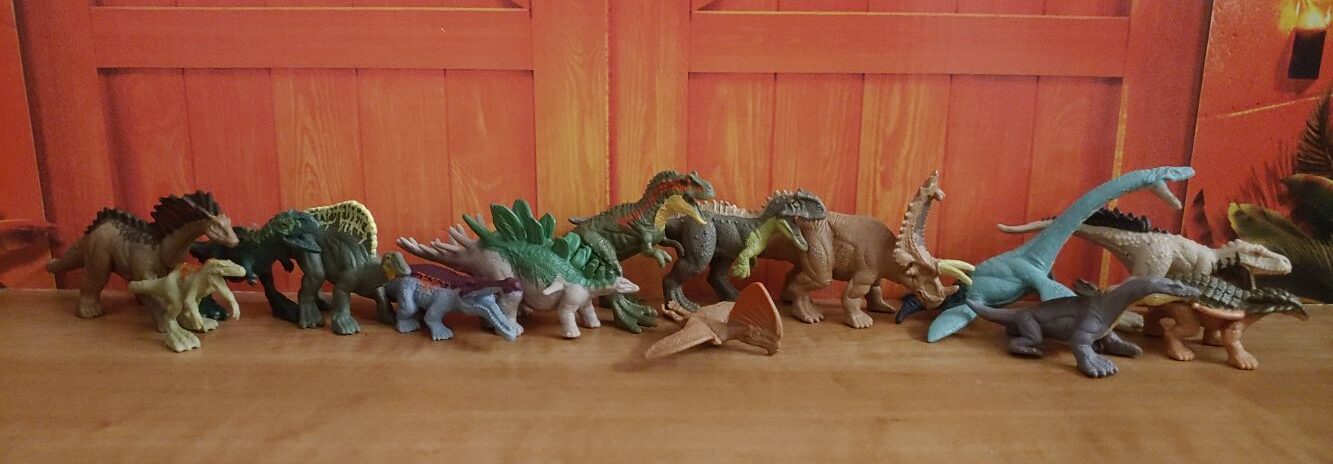
Being a heavy collector of the Mattel Jurassic World line, it’s not often I give attention to their fantastic line of minis despite having collected a good portion of them ever since the line’s launch in 2018. In fact, this is probably my first review of these particular types of figures. 2023...
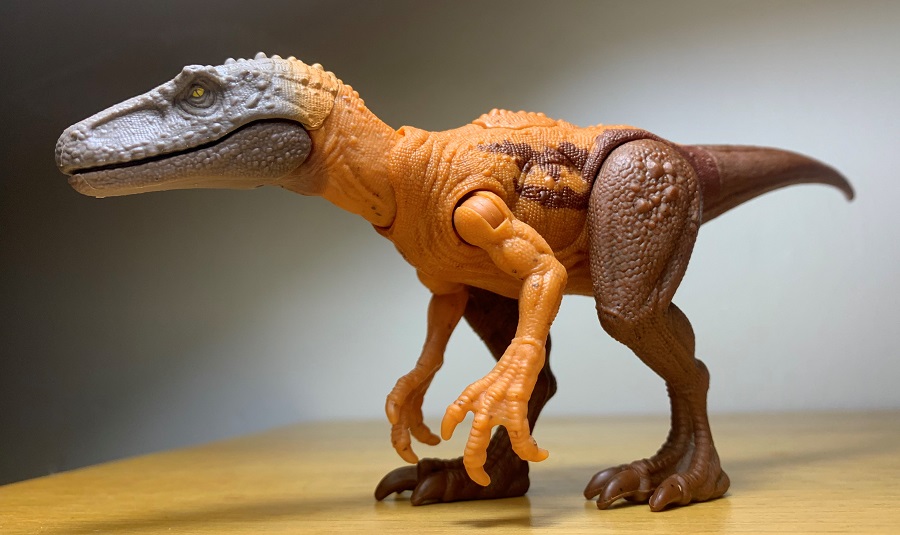
The late Triassic Herrerasaurus is one of the oldest dinosaurs known from the fossil record. So old and primitive is Herrerasaurus that there is still debate about where it fits in the dinosaur family tree. At various times it has been proposed that Herrerasaurus was a basal theropod, a basal sauropodomorph, a basal saurischian, or not a dinosaur at all....
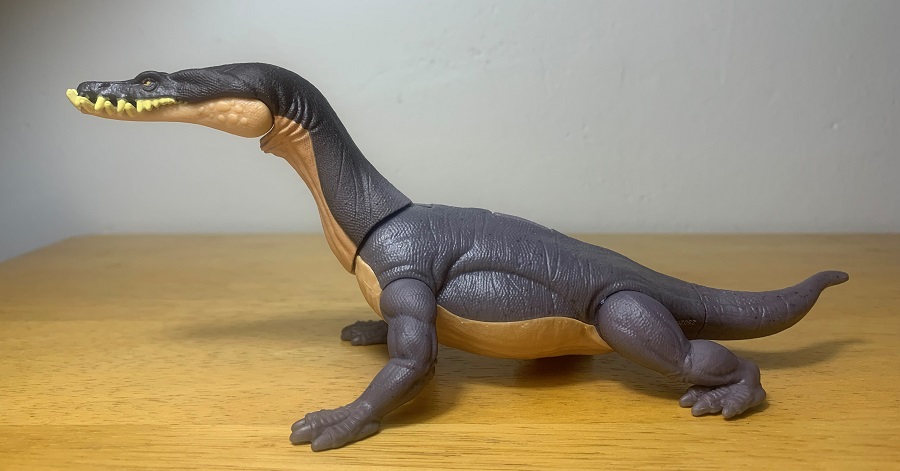
Nothosaurus is a genus of Triassic marine reptile that belongs to the Sauropterygia clade, along with other weirdos like placodonts and plesiosaurs. Aside from the plesiosaurs all members of the clade would go extinct by the end of the Triassic. Looking at Nothosaurus it is easy to see the relationship between it and plesiosaurs but nothosaurs were a distinct group...
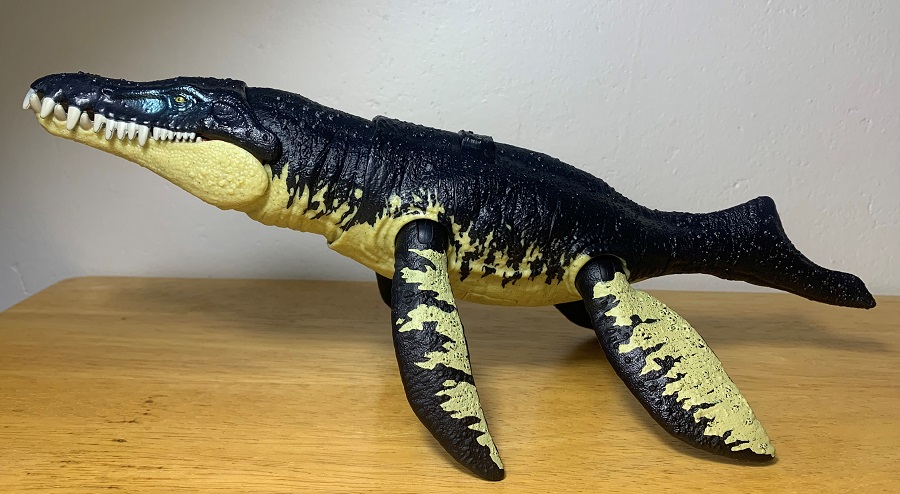
There’s no real debate about it. The Mattel Jurassic World Mosasaurus is still one of the line’s best toys. Pushing 30” in length and covered in rubbery “real feel” material, it has also been released and re-released consistently over the last 5 years. A testament to its quality. As such, I felt little need to get any of Mattel’s other...
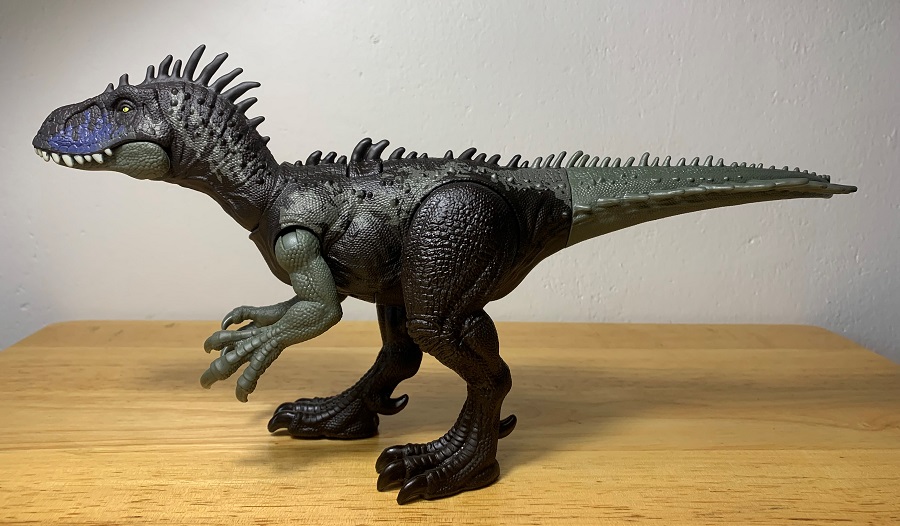
The late Cretaceous tyrannosauroid, Dryptosaurus, is a historically significant genus that due to the fragmentary nature of its preserved material has been largely forgotten and ignored. Dryptosaurus aquilunguis was one of the first theropods ever discovered and the first theropod discovered in the Americas. Originally named Laelaps by Edward Drinker Cope in 1866, Othniel Charles Marsh would rename the genus...
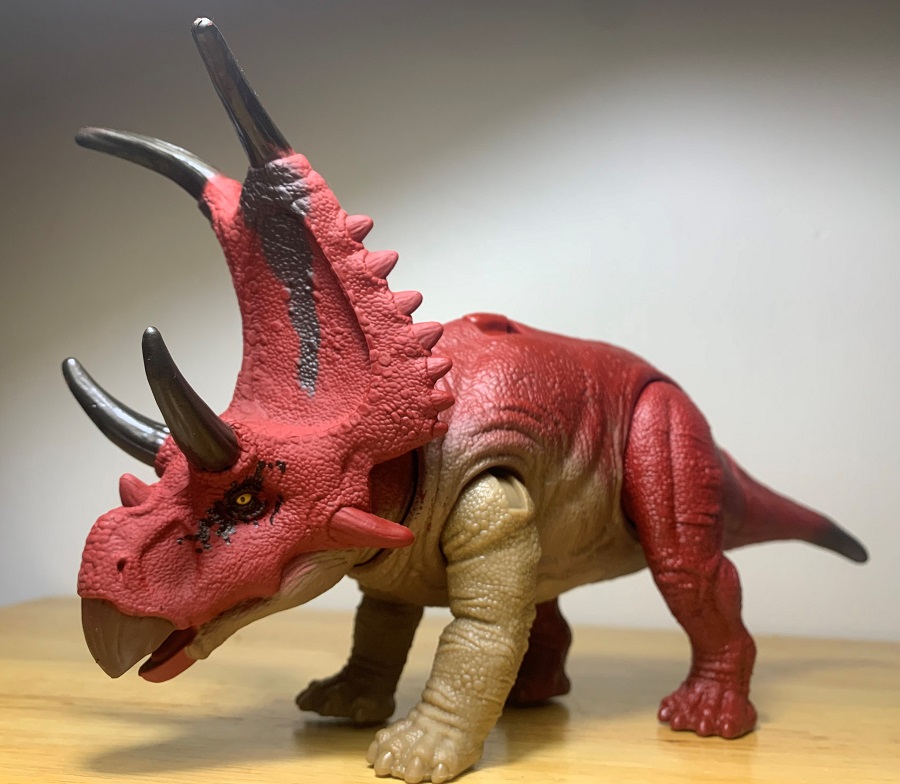
It’s time for our annual review of a large Mattel ceratopsian. Every year since 2018 Mattel has released one of these and they always end up being among my favorite toys from Mattel. This year it’s a Diabloceratops, part of Mattel’s Dino Trackers line. What are Dino Trackers? Beats me! It doesn’t tie into anything. Some of the dinosaurs in...