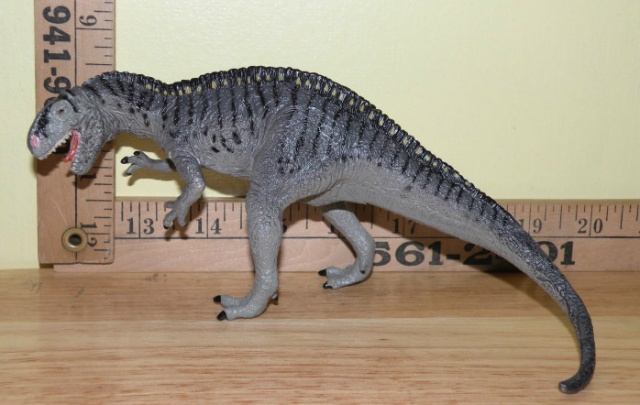
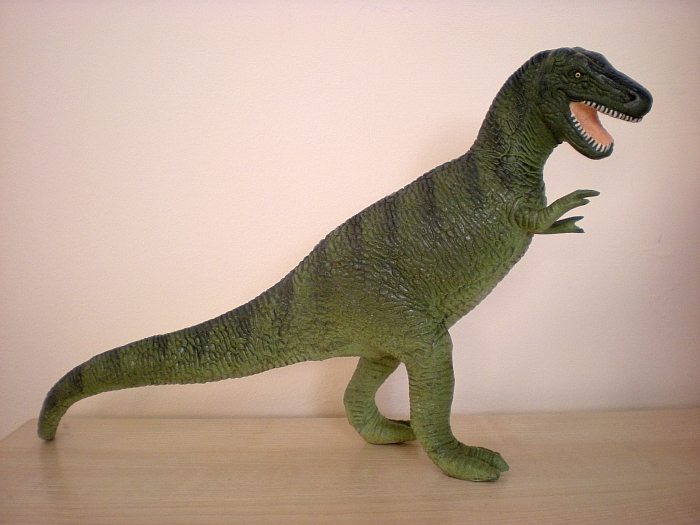
With the 2012 release of the highly anticipated Wild Safari Acrocanthosaurus, I thought it only fitting to do a review on the older Carnegie model, which I have only just recently been able to obtain. Acrocanthosaurus was an early Cretaceous relative of theropods such as Carcharodontosaurus and Giganotosaurus. While not as large as some of its relatives, it was the...
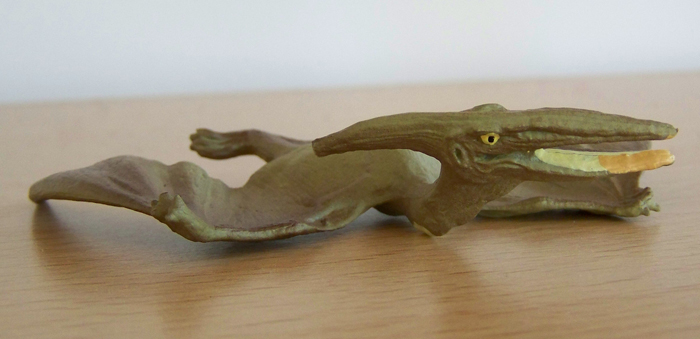
Last time I had a stab at reviewing a Carnegie Collection pterosaur (the Pteranodon), I didn’t have much nice to say about its aesthetic appearance. One might say I was downright rude. Bearing in mind that the Pteranodon was an early release, it would be fair for us to expect some significant improvements by the mid-nineties when the next Carnegie pterosaur was...
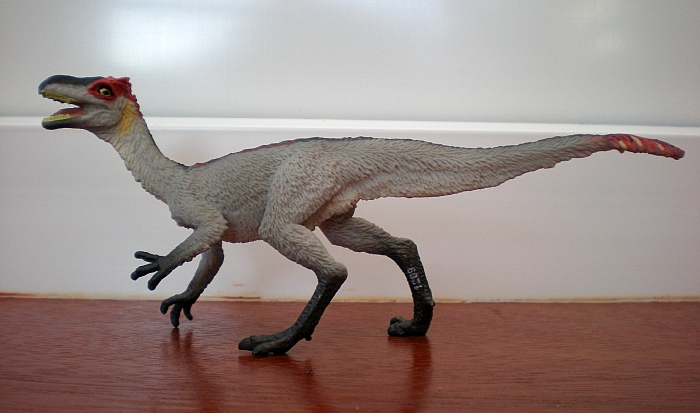
What’s this – the Carnegie Dilong again? Haven’t we seen it around these parts before? Well, yes, we have. Unfortunately, the original reviewer left the blog some time ago and, for whatever reason, deleted all his posts upon departure. As such, what you are reading now is a replacement – written by me, I’m afraid. So, without further delay, let’s...
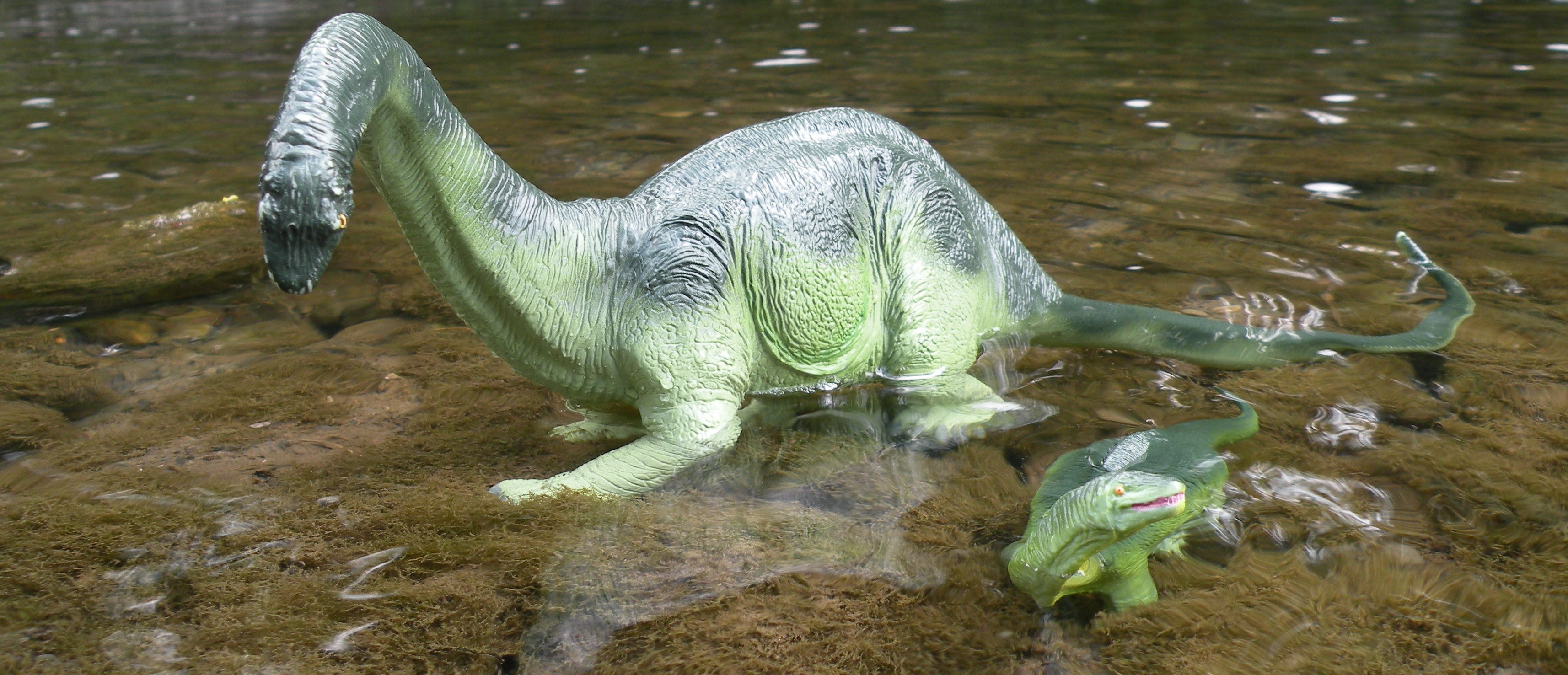
Everyone familiar with dinosaurs knows the name Apatosaurus, and those not familiar with dinosaurs probably are familiar with it but still call it Brontosaurus despite a name change over 100 years ago. I won’t bother getting into any of that as anyone reading this review most likely already knows the story. Let’s just say that whenever I talk about dinosaurs...
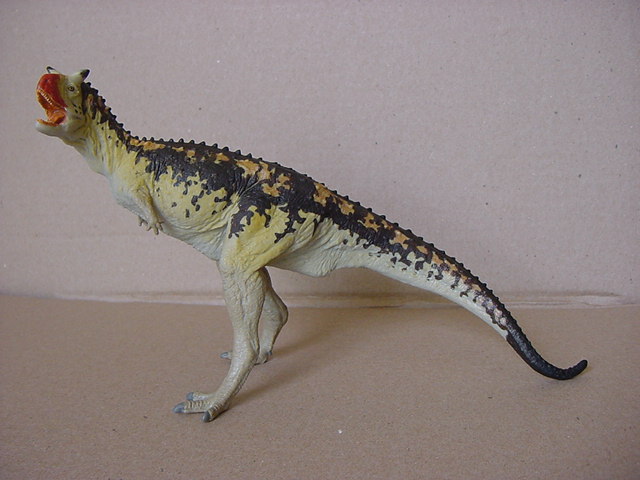
The year was 1985. When the world was first introduced to Carnotaurus sastrei, the stock market went wild, the streets were flooded with panicked mobs, and the skies became saturated with an eerie purple tinge.
Alright, maybe that isn’t entirely true. The first big break for our brow-horned friend probably came in Crichton’s bestselling sequel to Jurassic Park, The Lost...
Now here’s a figure that’s had a beating with the ugly stick. The Pteranodon was one of 17 models in the original Carnegie collection lineup, way back in 1989. It was retired in 1995 but reissued the following year and is still produced today. It’s one of the smaller toys in the line with a wingspan of 11cm (about 4...
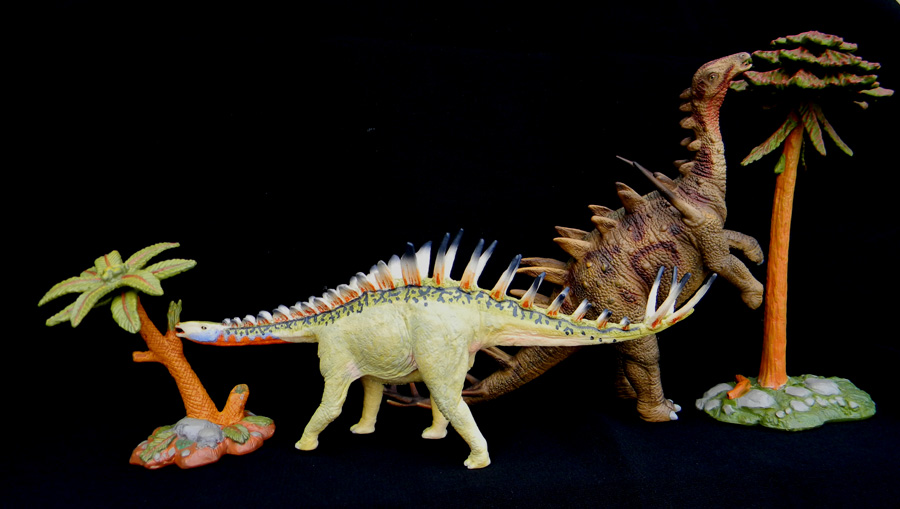
This featured article comes from longtime forum member Boki, who shares his thoughts on the two major stegosaur releases of 2011. Thanks, Boki! (-Dan)
In this year’s dinosaur lineup, we are offered two unusual late Jurassic stegosaurs.
In the past, most companies have opted for the familiar stegosaur when choosing a species to add to their line of prehistoric figures....
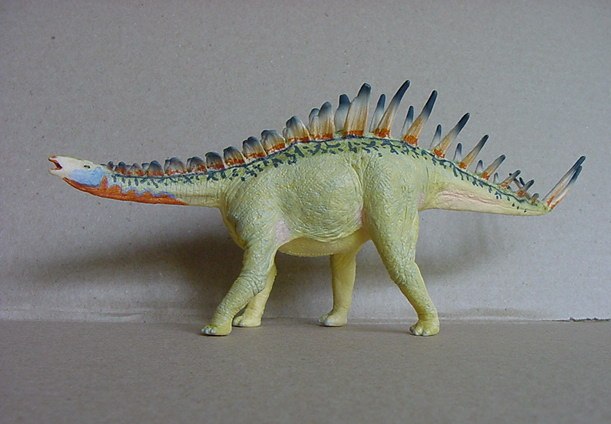
While most of the year’s new prehistoric collectibles have been released by summer, the heavy hitters always seem to arrive fashionably late. This sounds better than any figure being “delayed,” and besides, the wait only serves to heighten our anticipation. The first Carnegie of 2011 struck at the end of May, with the release of the exotic stegosaurid Miragaia longicollum....

Size comparison of Camarasaurus with a six foot man
The Late Jurassic landscape of North America would not have been complete without its most abundant sauropod resident, Camarasaurus. Meaning “chambered lizard” due to its chambered vertebrae, Camarasaurus was among the earliest sauropod genera to be described in detail, likely due to the fact that its discovery occurred right in the middle of the famous “Bone Wars” between American paleontologists...
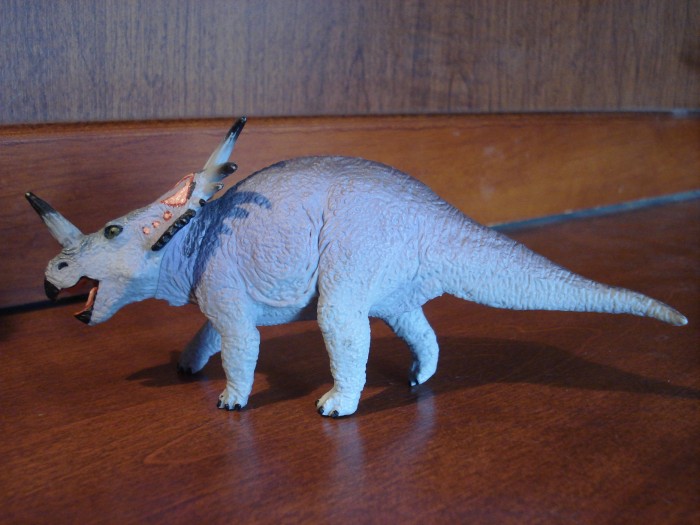
I really can’t get enough of this dinosaur it seems. This is what, the third review by me of a Stycacosaurus? This time I will be reviewing Carnegie’s rendition of the semi-popular spiked dinosaur.
Despite the vast myriad of dinosaurs species turned into models by them, Carnegie only has four ceratopsid species under its belt. Their styracosaurus is one of...
As an illustration of how far the Carnegie line has advanced in 20 years, you can’t do much better than the original Tyrannosaurus. Many people in their early 20s will remember owning one of these as a child. They’ll probably also remember it gathering dust in a dark corner of the cupboard under the stairs when the Jurassic Park toyline...
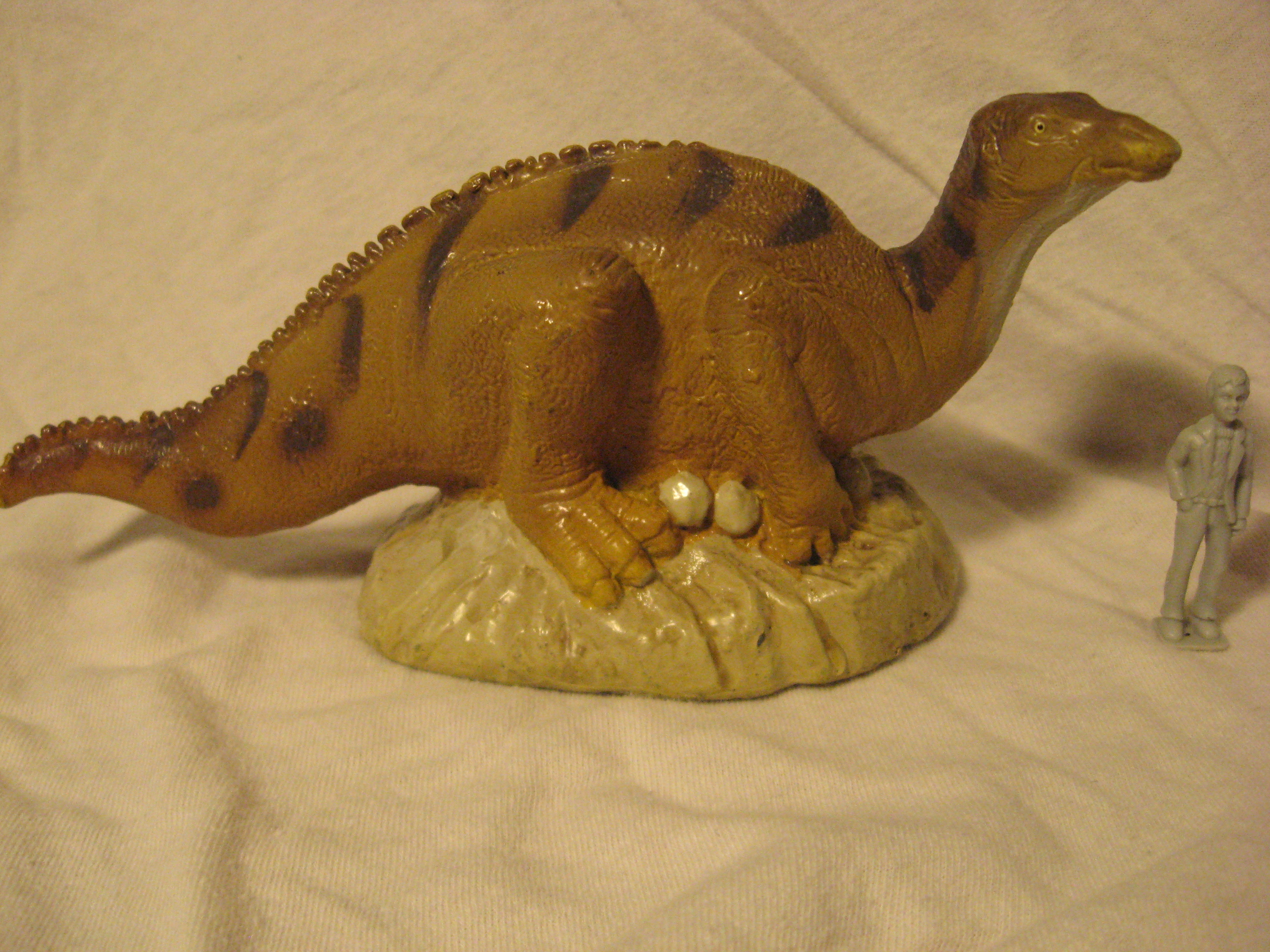
Size comparison of Maiasaura with a six foot man.
The Late Cretaceous hadrosaur Maiasaura has become famous for being the first large dinosaur to be discovered alongside direct evidence that it cared for its young. Fossil nests associated with this dinosaur show that young dinosaurs stayed in the nest well after hatching. First discovered in Montana and described by Jack Horner, its name means “good mother lizard”. As such,...