Classification: Mammal
Review: Entelodont (AAA)
4 (9 votes)
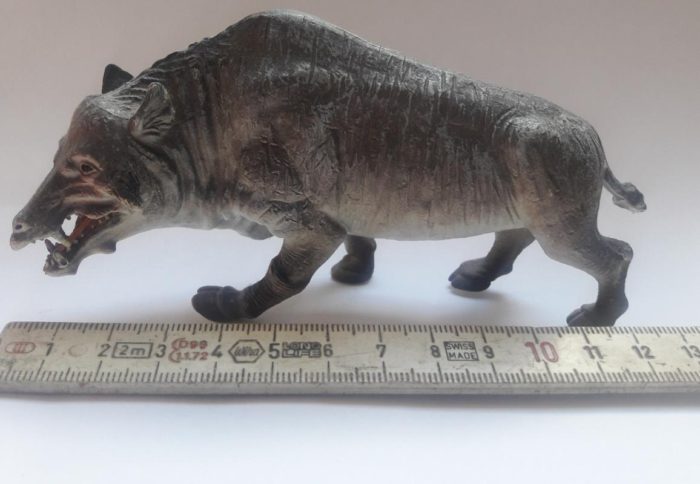
Admittedly, there were lovelier animals to have walked the earth in prehistoric times than entelodonts, omnivorous beasts that were two metres tall and four metres long. Entelodonts were especially abundant in what are now Mongolia, China and Northern America and strolled through the landscape searching for any kind of food in the Eocene epoch – mainly probably carrion.
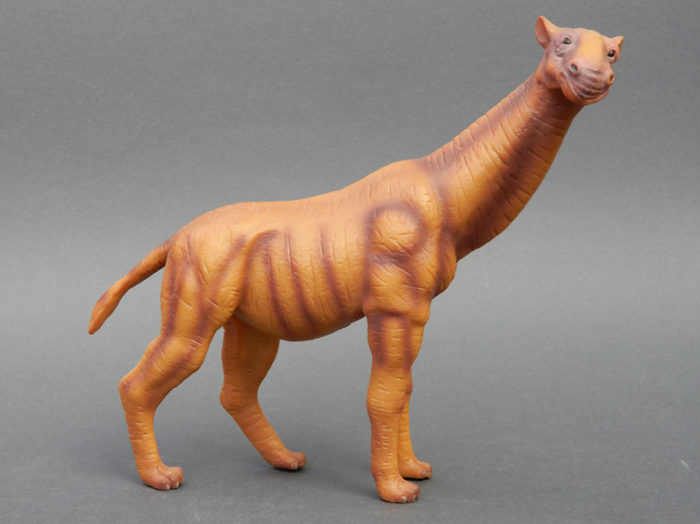
Review: Macrauchenia (Prehistoric Mammal Series by Schleich)
4.9 (12 votes)
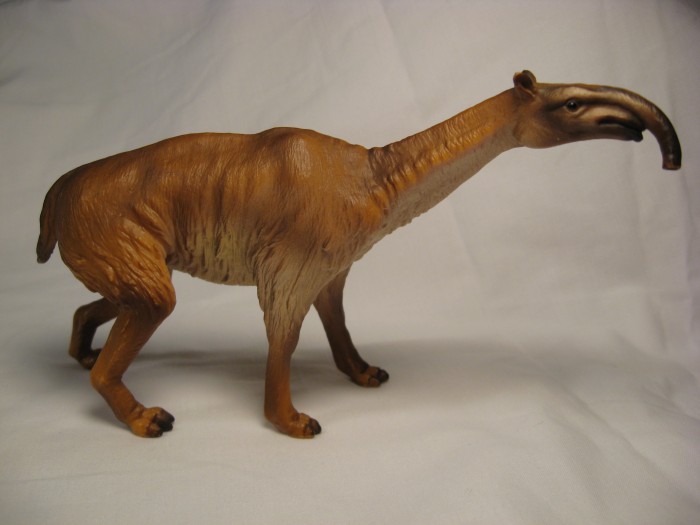
The peculiar looking ungulate Macrauchenia (“large neck”) inhabited South America for roughly 7 million years, from the Miocene to the Late Pleistocene, only becoming extinct around 20,000 years ago. This herbivorous animal resembled a camelid superficially, when in reality it was a member of an extinct order called Litopterna.
Review: Prehistoric Life Toob (Safari Ltd)
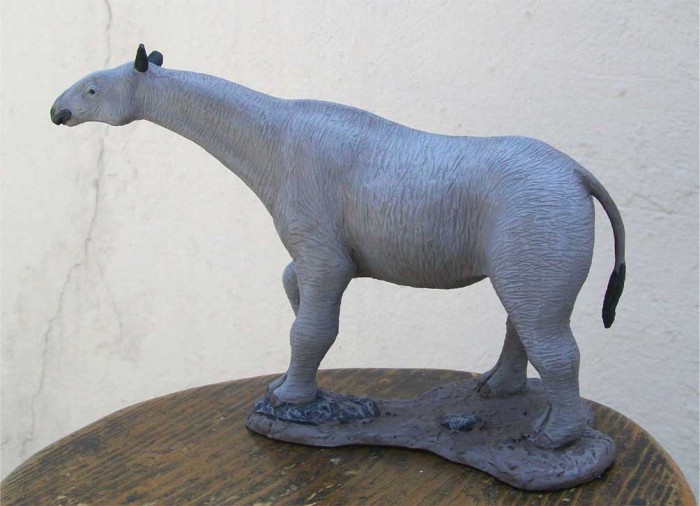
Review: Indricotherium (Malcolm Mlodoch for Fauna Casts)
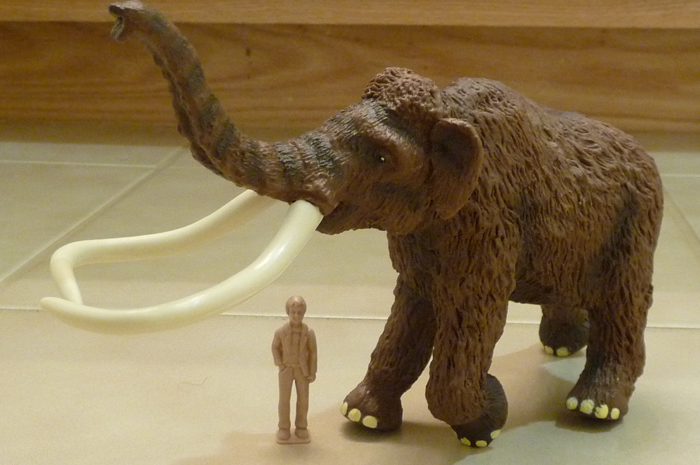
Review: Steppe Mammoth (Papo)
4.2 (14 votes)
Review and photographs by ‘Bucketfoot-Al’. Edited by Plesiosauria.
Papo has produced some excellent prehistoric toy dinosaur figures recently as you undoubtedly know – not always accurate but always 100% high quality, with remarkable detail. But this review is about one of their discontinued figures from our more recent past.
Review: Paraceratherium (Collecta)
3.1 (15 votes)
Photographs by PhilSauria
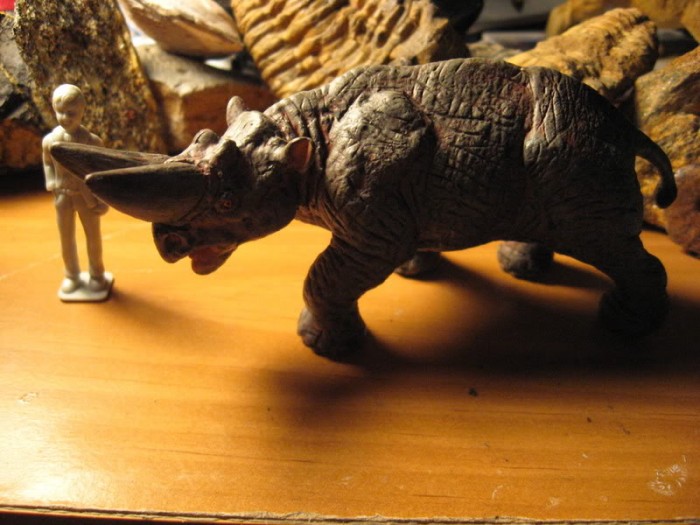
Paraceratherium, also commonly known as Indricotherium or Baluchitherium, was a genus of gigantic hornless rhinoceros-like mammals, belonging to the family of the Hyracodontidae. Their fossils have been found in many parts of Asia, including Kazakhstan, Pakistan, India, Mongolia, and China.
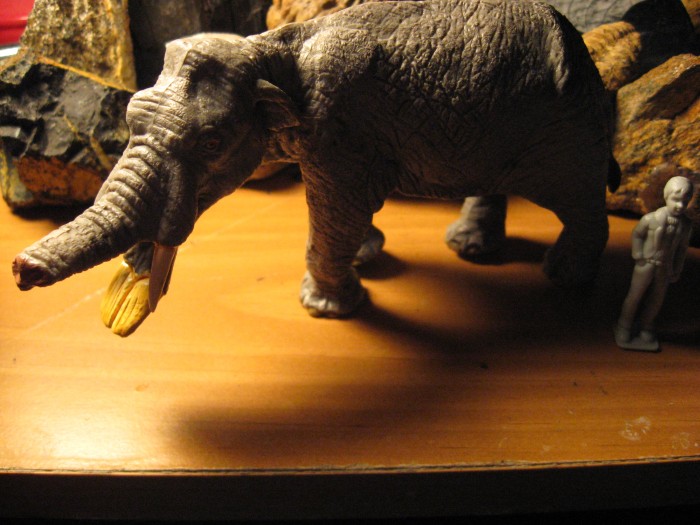
Review: Amebelodon (Prehistoric Life Collection by Safari Ltd.)
Review: Arsinoitherium (Prehistoric Life Collection by Safari Ltd)
Review: Doedicurus (Prehistoric Life Collection by Safari Ltd)
Review: Andrewsarchus (Prehistoric Life Collection by Safari Ltd)
3.7 (18 votes)
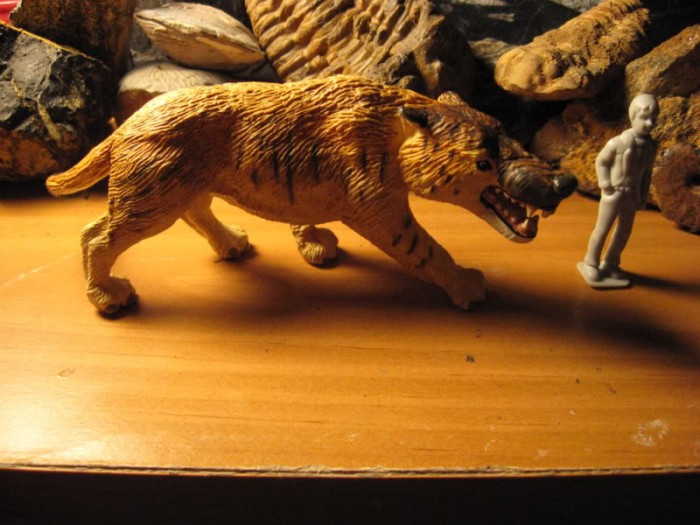
Andrewsarchus was a large basal mesonychid which existed roughly 45 million years ago during the Eocene epoch. It is known only from a large skull measuring more than three feet long and a few bone fragments, so most reconstructions of the animal’s postcranial anatomy are based on its smaller and more well known mesonychid relative Mesonyx.