Review and photographs by Indohyus, edited by Suspsy
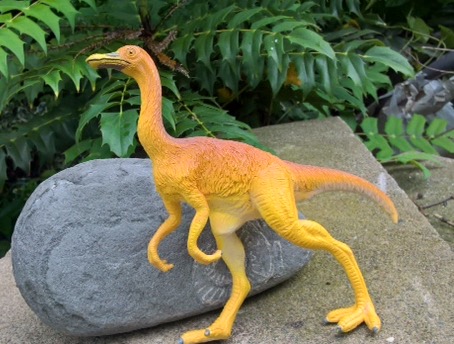
In recent years, the pantheon of ornithomimosaur figures has expanded more than ever before. Though still an underrepresented family of dinosaurs, these omnivorous/herbivorous theropods are very interesting oddities that only a few companies have tried to represent. Here is AAA’s attempt at a bird-mimic: Gallimimus, one of the largest members of the...
Review and photographs by Indohyus, edited by Suspsy
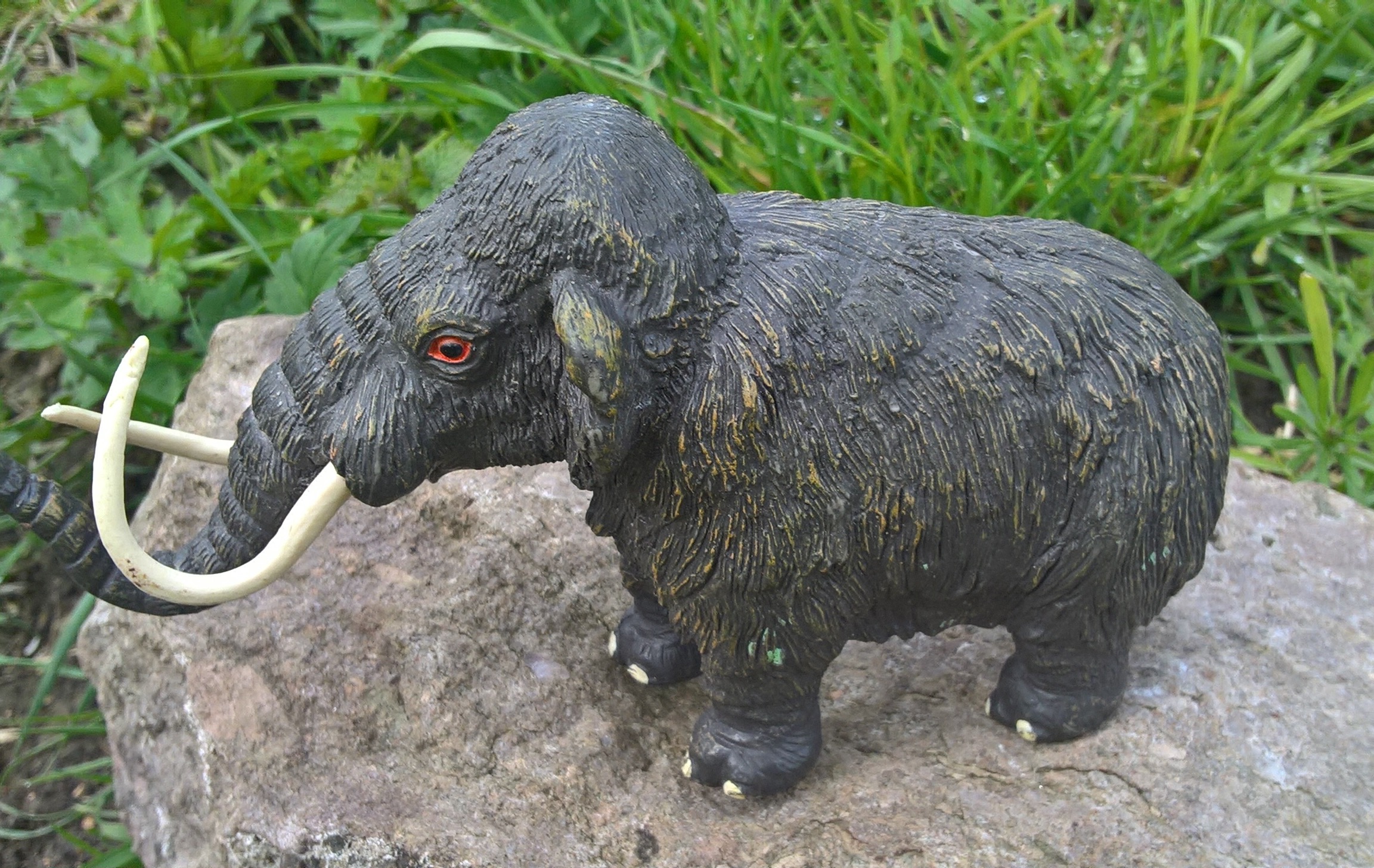
Mammuthus primigenius, the fabled woolly mammoth, is an iconic Ice Age animal well known around the world, a symbol of the amazing adaptability of mammals. This mighty beast is the first prehistoric mammal to be immortalized in plastic by toy companies. With skeletal remains, frozen carcasses, and cave paintings to base this...
Review and photographs by Indohyus, edited by Suspsy
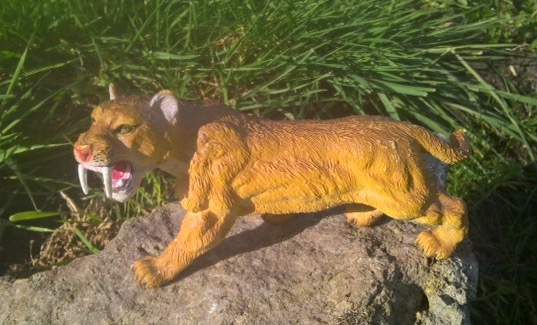
Smilodon. Whether it’s populator, fatalis, or gracilis, one thing is certain: this was a powerful felid, the epitome of ancient mammal predators. Originally from North America, then successfully emigrating to South America during the Great Faunal Interchange, there are few who haven’t heard of this mighty mammal, especially for its 28 cm...
Review and photos by Takama, edited by Suspsy
A long time ago in the year 2005, I was hospitalized for 103 days due to a serious heart condition that nearly claimed my life at the young age of twelve. As a result of this issue, I was eligible for a wish to be granted by the Make A Wish Foundation...
Review and photographs by Dilopho, edited by Suspsy
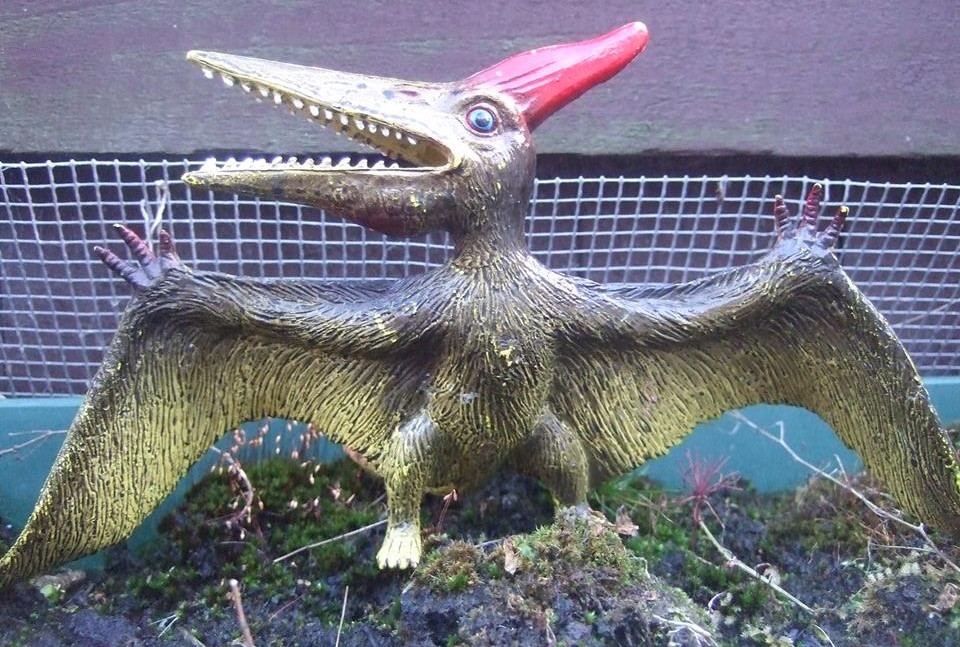
Pteranodon is a Latin word meaning “winged and toothless.” So what on earth was the AAA sculptor thinking when they made this monster? It’s huge, mean and scary–it’s not the Pteranodon we are used to. But is it bad? Well, let’s have a closer look at it before we jump–or fly–to early...
Review and photographs by Dilopho
What do you think of when I say “Stegosaurus“? A graceful, lumbering giant with huge elegant plates and deadly spikes, carefully making his way through a tropical Jurassic forest? Well, it’s clear that this wasn’t always the answer. A few decades ago, Stegosaurus was just another terrible lizard. A slow, dumb belly-dragger with a mean...
Review and photos by Mihnea (Wildheart)
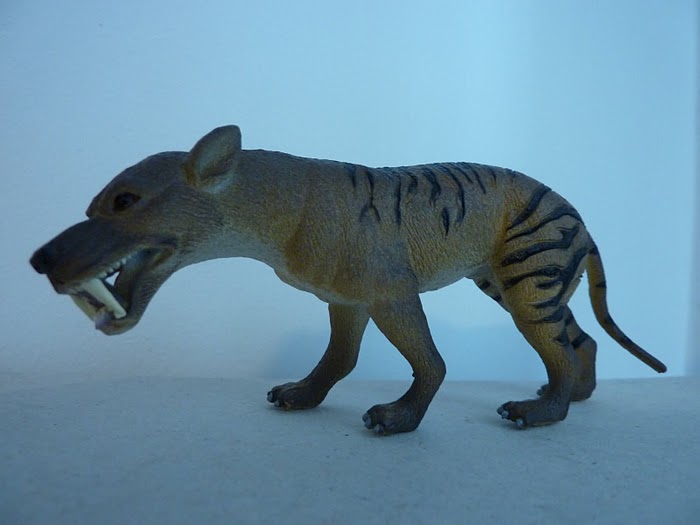
Existing for approximately 26 million years, Hyaenodonts were some of the largest predators of the Late Eocene and Early Miocene epochs. Their name comes from the sharp hyena-like teeth used to tear apart possible prey. The skulls of these animals were huge and well equipped for hunting, but their brains were quite small, something...
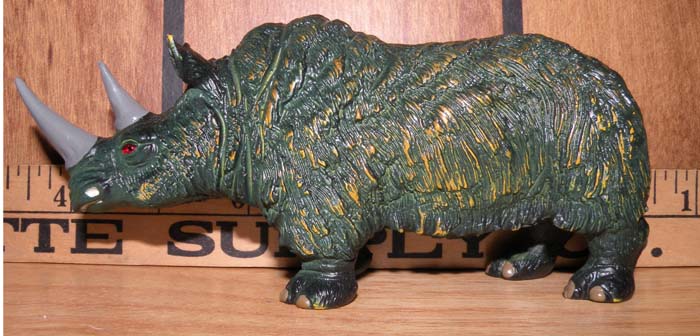
Everyone familiar with Pleistocene fauna is familiar with the woolly rhinoceros (Coelodonta antiquitatis), a large shaggy rhino that lived in Eurasia and died out at the end of the Ice Age. It is often reproduced in toy form, only less so that the more popular mammoths and Smilodon. This review concerns AAA’s reproduction of the famous shaggy beast. Bear with...
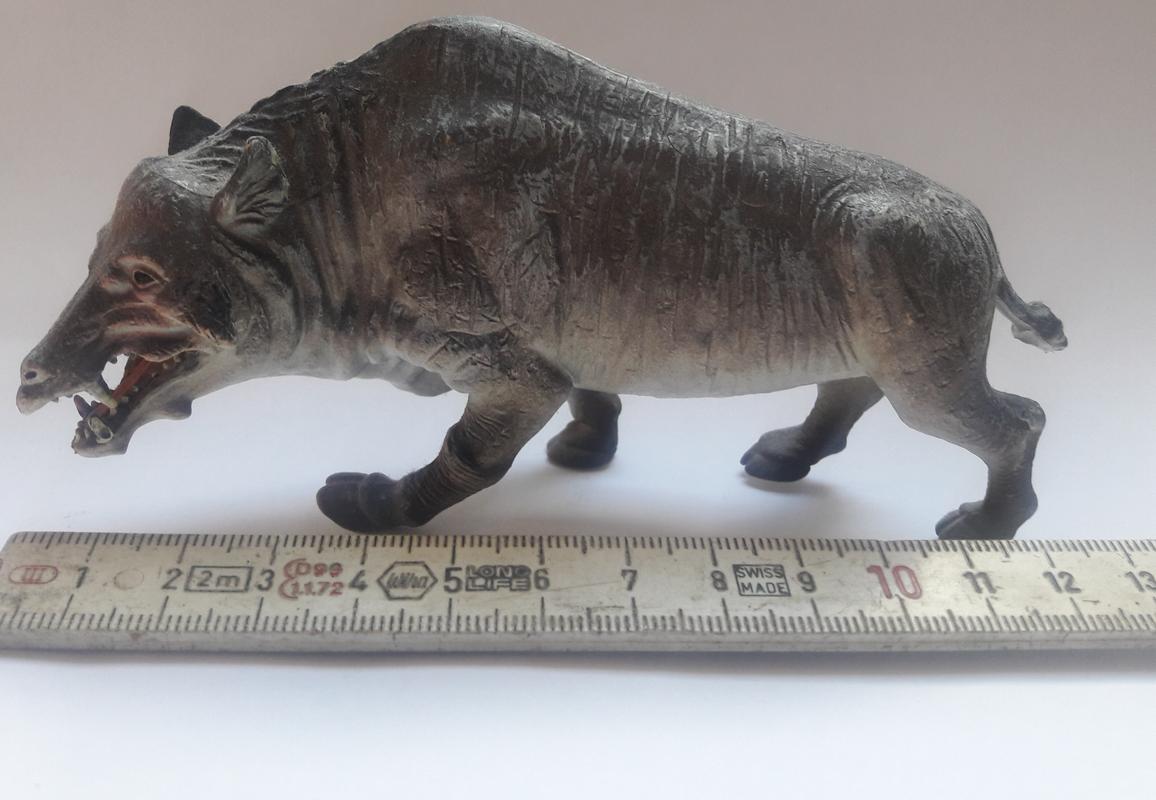
Admittedly, there were lovelier animals to have walked the earth in prehistoric times than entelodonts, omnivorous beasts that were two metres tall and four metres long. Entelodonts were especially abundant in what are now Mongolia, China and Northern America and strolled through the landscape searching for any kind of food in the Eocene epoch – mainly probably carrion.
Entelodonts became...
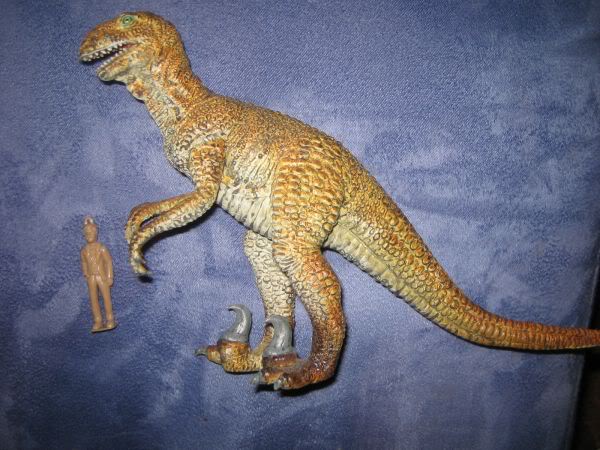
Once there was a time when Theropods simply were divided into ‘Carnosaurs’ (the big ones such as Allosaurus and Tyrannosaurus) and ‘Coelurosaurs’ (the smaller ones such as Coelophysis or Compsognathus). Then along came Deinonychus, an irritating new predator who did not really fit into this concept. When it was discovered in 1969, no one could guess it was the herald...